March 27, 2026
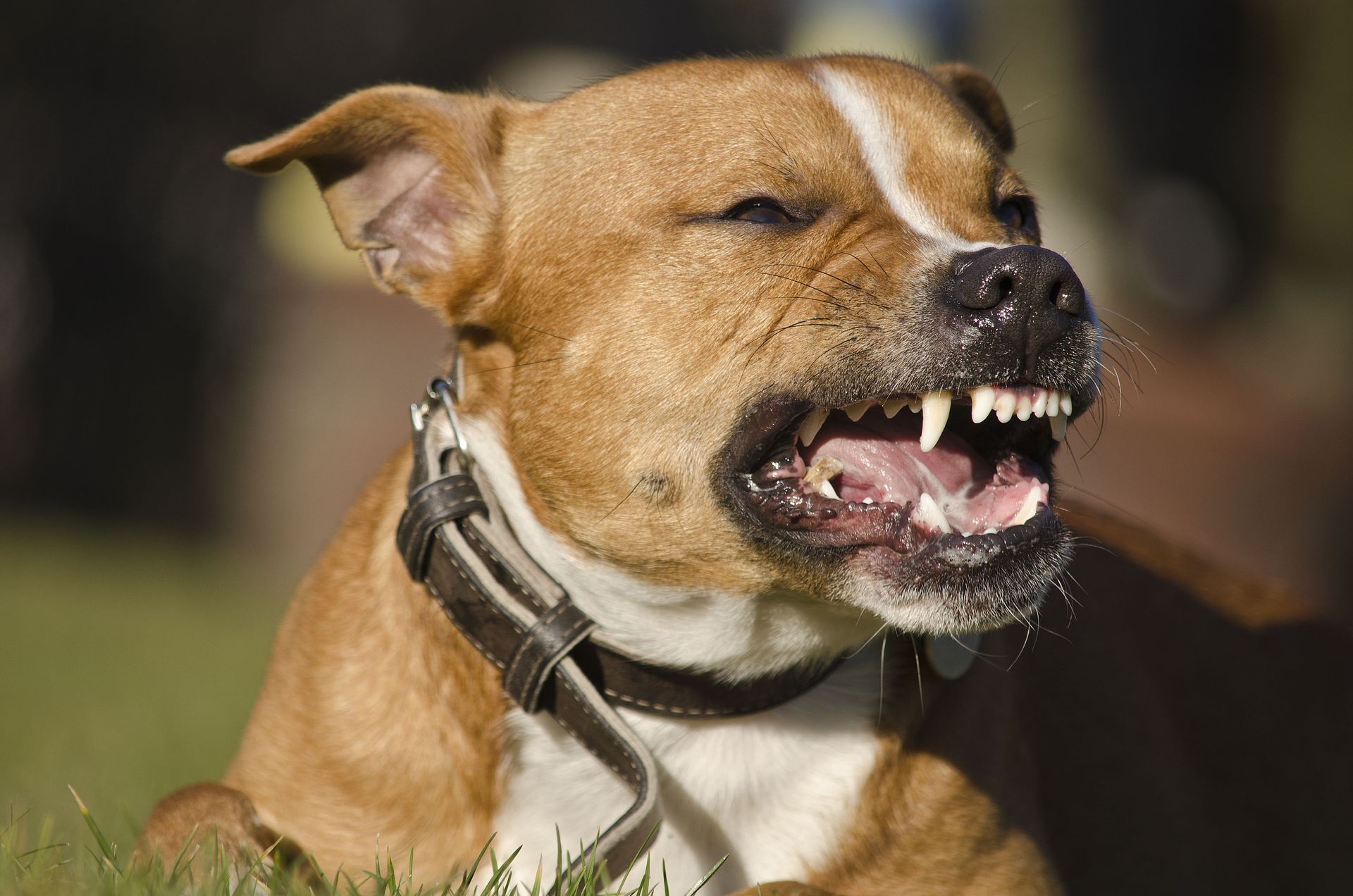
Dog bite liability has become one of the most talked-about legal topics in 2025, highlighting the balance between responsible pet ownership and public safety. With approximately 4.5 million bite incidents reported annually in the United States, according to the National Institutes of Health, victims increasingly turn to local lawyers for guidance and representation. These professionals help interpret complex state laws, negotiate with insurers, and advocate for victims’ rights. Their expertise ensures that justice is served, even as legislation evolves to reflect modern views of animal ownership and community responsibility.
1. The Evolution of Dog Bite Laws
Dog bite liability has evolved significantly from its early roots in the “one-bite rule,” which allowed owners one free incident before facing penalties. Over time, lawmakers realized that this outdated standard often failed victims. The rise of urban living and closer human-animal interactions prompted reforms emphasizing accountability. Today, most jurisdictions lean toward strict liability, making owners automatically responsible for their pets’ actions. Local lawyers use these updated laws to hold negligent owners accountable while helping clients pursue compensation for physical, emotional, and financial harm.
2. Legislative Developments Between 2020 and 2025
Recent years have brought numerous legislative updates that affect how courts handle dog bite cases. Between 2020 and 2025, states began implementing mandatory insurance for high-risk breeds, expanding public reporting requirements, and refining compensation processes for victims. These reforms have shifted the burden away from victims and toward owners who fail to manage their dogs properly. Local lawyers have been instrumental in interpreting these new statutes, ensuring clients understand their rights under constantly changing legal frameworks.
3. Regional Variations and Local Legal Nuances
Because every state approaches dog bite liability differently, hiring local lawyers is essential. In densely populated cities, strict liability statutes are common to protect residents in shared spaces. Rural areas, meanwhile, often focus on education and prevention rather than punishment. Local lawyers bring a deep understanding of these distinctions, tailoring case strategies to reflect local ordinances and regional precedent. Their familiarity with local courts and judges also helps them anticipate procedural preferences and achieve better results for their clients.
4. Factors That Influence Liability in 2025
4.1 Breed and Behavior Considerations
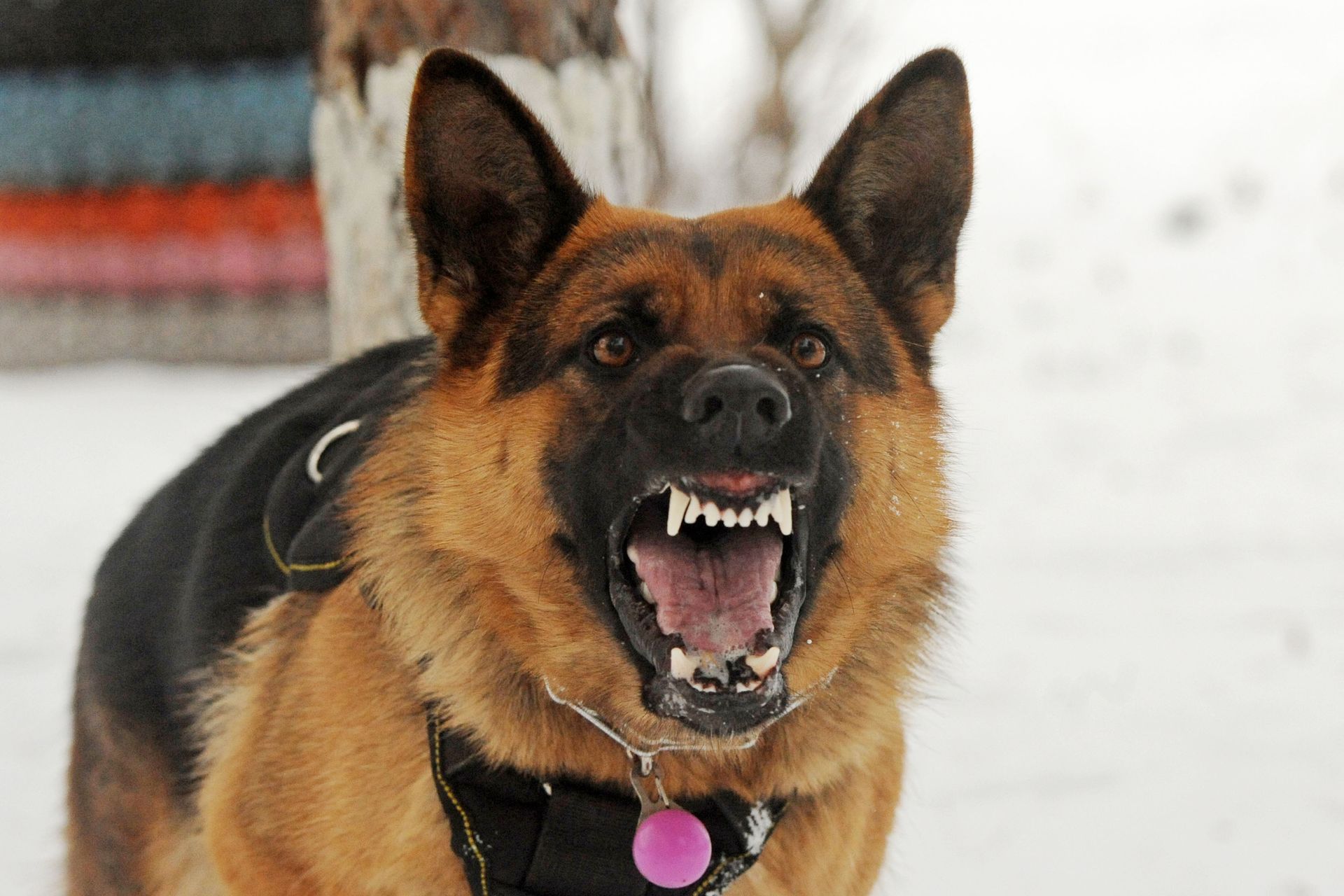
Breed-specific legislation (BSL) continues to influence many dog bite cases, even as its fairness remains debated. Some states restrict ownership of certain breeds, while others focus on behavior-based assessments. Local lawyers handling dog bite liability cases assess how breed regulations affect each claim. They often collaborate with veterinarians or behaviorists to determine whether aggression stemmed from environmental factors, inadequate supervision, or provocation. This balanced approach ensures that both victims and responsible owners are treated fairly.
4.2 Owner Responsibility and Negligence
Dog ownership comes with clear legal duties. When owners fail to leash, supervise, or train their dogs appropriately, they may face civil penalties. Local lawyers investigate these lapses by gathering evidence such as witness statements, security footage, and prior complaints to prove negligence. Demonstrating that an owner disregarded local leash laws or ignored warning signs can strengthen a victim’s claim and increase the potential compensation awarded.
4.3 Victim Conduct and Comparative Fault
Courts frequently evaluate the victim’s conduct in assigning liability. If the injured person provoked the dog or trespassed on private property, the court may reduce damages under comparative negligence rules. Local lawyers play a key role in presenting the full context of these incidents, emphasizing that most victims act responsibly and that the owner’s negligence remains the central issue. Their understanding of how state statutes interpret fault helps ensure fair outcomes for injured clients.
4.4 The Role of Insurance Coverage
Insurance coverage is vital in dog bite cases. Many homeowners’ or renters’ policies cover animal attacks, but exclusions for certain breeds or repeated incidents are common. Local lawyers review these policies carefully, identifying coverage gaps and negotiating directly with insurers to prevent undervalued settlements. Their knowledge of regional insurance trends allows them to anticipate disputes and secure timely payments for victims.
5. The Essential Role of Local Lawyers
5.1 Legal Expertise and Case Building
Handling a dog bite liability claim requires a meticulous understanding of statutes, court procedures, and evidence standards. Local lawyers know which documents, medical reports, and testimonies carry the most weight in nearby jurisdictions. They also work closely with experts to establish how injuries occurred and what preventive measures could have been taken. This attention to detail often determines whether a case settles favorably or proceeds to trial.
5.2 Navigating Courts and Negotiations
Procedural complexities make self-representation risky. Local lawyers streamline the process by managing filings, meeting deadlines, and attending hearings on behalf of clients. They are skilled negotiators, frequently resolving claims through mediation before court proceedings become necessary. Their local relationships and familiarity with judges’ expectations often accelerate settlements while preserving the victim’s right to fair compensation.
5.3 Emotional and Practical Support for Victims
Dog attacks are not only physically painful but also emotionally distressing. Local lawyers understand this and provide compassionate guidance throughout the recovery process. They help victims access medical care, document ongoing symptoms, and communicate effectively with insurance adjusters. Beyond legal services, their reassurance and empathy restore clients’ confidence during a difficult time, proving that strong advocacy also means a strong human connection.
6. Technology’s Role in Modern Dog Bite Cases
6.1 Using Digital Evidence Effectively
Advances in technology have transformed how local lawyers gather and present evidence. Video recordings, doorbell cameras, and smartphone footage often provide decisive proof of what occurred. Digital forensics experts can verify timestamps and authenticity, making it harder for defendants to dispute responsibility. This reliance on visual evidence reduces uncertainty and supports stronger claims in court.
6.2 Social Media as Evidence
Social media has become a surprising ally in proving negligence. Photos or posts showing unrestrained dogs, prior complaints, or owner admissions can significantly strengthen a victim’s case. Local lawyers carefully review public online activity while cautioning their clients to avoid posting details that could harm their claim. These digital trails often reveal patterns of carelessness or misconduct that align with broader liability findings.
6.3 Virtual Legal Services
Virtual consultations now make it easier for victims to connect with local lawyers immediately after an incident. Remote meetings allow clients to receive timely advice even if injuries prevent travel. This accessibility ensures that critical evidence—such as photos of wounds or scene conditions—is preserved promptly. Virtual representation has become a hallmark of modern legal efficiency, blending convenience with personalized care.
7. Education and Prevention Initiatives
7.1 Public Awareness and Community Outreach
Many local lawyers participate in community outreach programs designed to reduce dog bite incidents through education. These campaigns teach residents how to recognize warning signs of aggression, report dangerous animals, and engage safely with pets. When communities become better informed, preventable injuries decline, creating safer environments for everyone.
7.2 School-Based Programs and Early Education
Prevention starts with young people. School programs that teach respect for animals, appropriate play behaviors, and safety tips have proven highly effective. Local lawyers often support these efforts by providing educational materials that explain the legal consequences of negligence. These collaborations encourage lifelong habits of responsible ownership and compassionate interaction.
7.3 Collaboration with Animal Experts
Cooperation between local lawyers and animal behavior specialists strengthens both prevention and litigation strategies. Veterinarians and trainers provide critical insight into whether an attack was provoked or preventable. This partnership bridges the gap between legal reasoning and scientific understanding, improving the accuracy of judgments and fostering a more informed approach to public safety.
Dog bite liability reflects an evolving legal and social landscape where public safety, compassion, and accountability intersect. Victims now have greater access to justice thanks to technological progress, stronger laws, and the dedication of local lawyers who fight tirelessly for their rights. Through advocacy, education, and community involvement, these professionals ensure that every victim’s voice is heard and that responsible ownership remains a shared priority. As laws continue to adapt, their work will remain central to creating safer neighborhoods and fairer outcomes for all. If you've been injured by a dog recently, reach out to the local lawyers at Michael J Glassman & Associates.